Cornell Student Mental Health 2022 Updates

Cornell University has made “dozens of improvements” to support and improve student well-being in response to the recommendations of the 2020 Mental Health Review Final Report, according to the Executive Accountability Committee set up to guide strategies for implementing changes.

An EAC statement said that the changes implemented thus far promote social connectedness and belonging for all students, reduce clinical wait times for students seeking mental health services, provide resources to faculty to create health-promoting classrooms, and create clear expectations for graduate student success.

Cornell University campus

EAC updates for 2022 noted that Cornell adopted the Okanagan Charter, which calls for Institutions of Higher Education to embed health into all aspects of campus culture, across the administration, operations and academic mandates; and lead health promotion action and collaboration locally and globally.

“Work has been underway to position Cornell as a Health-Promoting Campus by using a systemic, sustainable way to address campus mental health and well-being,” the updates said.

The Mental Health Review, carried out by internal and external review teams in 2019-2020, made 60 recommendations comprehensively calling for improvements in mental health and medical services, academic life, student well-being, and mental health awareness and proactive support.

Current EAC members include Ryan Lombardi, vice president for Student and Campus Life; Kathryn Boor, dean of the Graduate School and Vice Provost for Graduate Education; and Lisa Nishii, vice provost for Undergraduate Education.

Among the 2022 updates released by EAC:

Health Leave of Absence (HLOA)

Cornell established the position of a fulltime Health Leaves Coordinator within Cornell’s Student Disability Services (SDS). It said that the position is part of a new Health Leave of Absence (HLOA) process “that provides more support to students, consistency across colleges/schools/campuses, and assistance with navigating the HLOA process and university bureaucracy/resources.”

Under the new policy, coordination for HLOAs moves to a “new home” within SDS from Cornell’s Counseling and Psychological Services (CAPS). The coordinator serves as a resource for students throughout the leave and return processes and is a central point of information and contact for campus partners. Students must meet with the coordinator and receive a holistic plan for returning to campus, and are also encouraged to discuss accommodations with SDS.

Suicide Prevention Training

All CAPS clinical staff participated in Collaborative Assessment and Management of Suicidality (CAMS) training during summer 2022 as its annual professional development. CAMS is an evidence-based therapeutic framework for suicide-specific assessment and treatment of a patient’s suicidal risk.

Clinical “Stepped-Care” Model

CAPS implemented a new stepped-care model of clinical services in Fall 2021 to provide rapid access within 48 hours to an initial brief Access Appointment that assesses students’ presenting concerns and relevant clinical factors and refers them to most appropriate service.

CAPS also began offering expanded clinical options, including workshops, additional group therapy programs, additional medication management options, single-session counseling, and telehealth services with Mantra Health.

Care & Crisis Services

The Dean of Students Office’s Care & Crisis Services Team, which identifies, assesses, and responds to concerns and/or disruptive behaviors by students who present a risk to the health or safety of the university or its members, implemented a new protocol including the utilization of a new student of concern referral form.

Communications

The university developed a comprehensive communication plan to regularly share updates with the campus community, utilizing Cornell’s mental health website and other key communication strategies.

Undergraduate Experience

Three work groups completed a year-long review of the Mental Health Review’s recommendations for advising, grading policies, and academic policies.

The Advising Working Group final report included these key action items: (a) develop department advising plans; (b) clarify advising roles and expectations of faculty, staff advisors, and peers; (c) strengthen professional development for staff and faculty advisors; (d) adopt best practices, accountability, and recognition for advising excellence; (e) develop consistent learning outcomes for well-being in advising seminars and programs; (f) collaborate with Institutional Research and Planning to assess advising needs of vulnerable student populations; (g) offer both in-person and virtual advising to optimize flexibility for students; and (h) provide students clear guidance for communicating with faculty when missing class due to a short illness.

The Grading Policies Working Group collected input from students, faculty, staff, and peer institutions to inform thoughtful deliberations about a wide range of academic stressors that may be particularly detrimental for student mental health as well as about new or improved forms of academic support for students. Topics explored by the Grading Policies Working Group include: (a) instituting a S/U-type grading system for the first semester of the first year; (b) implementing an early warning “flagging” system to identify struggling students based on early graded assessments; (c) developing more academic support courses, especially for introductory classes; (d) increasing the number of courses that offer the S/U grading option; (e) strongly discouraging norm-referenced grading; (f) elevating assessment and grading policies as fundamental to teaching excellence; (g) discouraging curving down and overly difficult tests that result in low numerical exam scores, and improving transparency about grading practices; and (h) eliminating the grade of A+ (which is used inconsistently, thereby creating inequities).

The Academic Policies Working Group collected input from students, faculty, staff, and peer institutions to inform thoughtful deliberations about a wide range of academic stressors that may be particularly detrimental for student mental health as well as about new or improved forms of academic support for students. This group deliberated the merits of: (a) limiting the number of credits allowed for first-semester first-year students to 16 (or slightly higher for degrees that require a higher number of credits); (b) reducing the overall number of evening prelims by restricting them to large courses; (c) developing a university policy for resolving exam conflicts; (d) regularizing faculty discussions about pedagogy and assessments; (e) providing safety escorts for students walking home after evening prelims; and (f) requiring information about key course elements—such as the nature of graded assignments—to be available to students prior to pre-enrollment. Most of the recommendations need to be further vetted by the faculty senate and other governance structures before they could be adopted. In addition, some would necessitate significant investments in technology solutions and time before they could be implemented. 

Graduate Student Experience

The Graduate Advisor Feedback Task Force vetted its final report with the Graduate School, the Graduate School’s General Committee, the directors of Graduate Study, the vice provosts and provost and all college deans.

Key action items include the development of orientation materials, creation of a clearinghouse for resources, increasing faculty training around mentoring, anonymization of graduate student feedback on supervisor performance, and collecting graduate student feedback. Each graduate field will be asked to report annually on their progress in these areas.

Resident Advisors

Housing and Residential Life convened a task force to reevaluate the role of Resident Advisors.

Since this review, the RA position has shifted to focus more on intentional interactions with individual residents and resource referral on campus for challenges in and out of the classroom, and not as much programming and clear communication that they not take on the sole responsibly for the transition or well-being of any resident. RAs have also been trained on secondary trauma and how to better care for themselves when students do disclose difficult situations, and how to immediately refer that resident to resources and take of themselves in caring roles. The 2022-23 remuneration for the RA position has also changed to address concerns of how the RA compensation was negatively affecting the RA’s financial aid package.

Program Management

The Skorton Center for Health Initiatives is taking over management of Cornell’s Victim Advocacy Program, as well as advising roles for the Empathy Assistance and Referral Service, a peer mentoring program known as EARS, and Cornell Minds Matter, a student mental health club.

Cornell Health, “in consultation with legal counsel, reconfigured” the drop-in service that offers informal, private consultation with a mental health counselor. Let’s Talk will be considered an outreach program, “eschewing clinical documentation” and falling under the federal education privacy law rather than the federal medical privacy statute.

Okanagan Charter

Cornell leaders on October 26 signed the Okanagan Charter, which calls on Institutions of Higher Education to embed health into all aspects of campus culture, across the administration, operations and academic mandates, and lead health promotion action and collaboration locally and globally.

According to the Charter, its purpose is to 1) guide and inspire action by providing a framework that reflects the latest concepts, processes and principles; generate dialogue and research that expands local, regional, national and international networks, and accelerates action on, off and between campuses; and 3) mobilize international, cross-sector action for the integration of health in all policies and practices.

The Charter does not focus directly on mental health or use the term in its text, defining health “holistically, reflecting physical, mental and social well-being.”

Ryan Lombardi, vice president, Student and Campus Life, said the Charter’s principles “will help provide structure for the next phase of Cornell’s Student Mental Health Review, a collaborative process that has paved the way for a shared commitment to the betterment of mental health inside and outside of the classroom.”

The Charter was created and signed by education leaders at the 2015 International Conference on Health Promoting Universities and Colleges at the University of British Columbia’s Okanagan campus in Kelowna, Canada. Representatives from the World Health Organization, Pan American Health Organization and UNESCO joined in the pledge.

Serving as Cornell’s executive sponsors of the Okanagan Charter are Martha E. Pollock, Cornell president; Christine Lovely, vice president and chief Human Resources officer; Lisa Nishii, vice provost for Undergraduate Education; Kathryn Boor, dean of the Graduate School and vice provost of Graduate Education; and Ryan Lombardi, vice president, Student and Campus Life.

According to the Cornell Chronicle, two collaborating advisory groups for campus well-being—one focused on students, the other on faculty and staff—will employ multidisciplinary approaches to explore and implement changes and sustain momentum over time.

“The Okanagan Charter is an important way for Cornell to both reaffirm and formalize our commitment to supporting the health of our students, faculty and staff,” Pollack said. “It will support us in seeking new ways of incorporating health-promoting behaviors into our campus culture, and in identifying and sharing best practices to support community well-being.”

Implementation Management

The university abolished the Executive Accountability Committee, which consisted of four senior administrators as “executive sponsors,” and three “change leads” covering the academic community, campus community, and clinical services, and replaced it with a 25-member Student Well-Being Council. The council provides oversight for campus mental health and well-being broadly, including recommendations from the Mental Health Review report, as well as “new priorities” as a health-promoting campus within the Okanagan Charter.

The council will use a new evaluation plan to measure programs, policies, and campus culture. The university also created a campus-wide Community of Practice to implement key recommendations and “identify evidence-informed strategies to implement Health-Promoting Campus strategies.”

The Community of Practice will collect and analyze data, implement key strategies, provide best practices, and “identify ways to regularly engage students, staff, and faculty to provide feedback, stay involved, and support health and well-being on our campus” through the work of six Community of Practice committees.

The university will create a “Well-Being Vision for Cornell” to guide its health-promoting work.

Student Well-Being Council Members:

  • Julie Edwards (chair), director of Skorton Center for Health Initiatives
  • Lisa Nishii (executive sponsor), vice provost for Undergraduate Education
  • Kathryn Boor (executive sponsor), dean of the Graduate School and vice provost of Graduate Education
  • Ryan Lombardi (executive sponsor), vice president, Student and Campus Life
  • Eve DeRosa, dean of Faculty
  • Marla Love, dean of students, Student and Campus Life
  • Abby Priehs, director, Housing and Residential Life
  • Dave Honan, assistant vice president, Public Safety
  • Michelle Artibee, director, Workforce Wellbeing
  • Jai Sweet, dean of students, College of Veterinary Medicine
  • Linda Croll Howell, senior director, Employee Experience
  • Markeisha Miner, dean of students, Law School
  • Amanda Shaw, associate dean of students, SC Johnson College of Business
  • Kim Anderson, assistant director, Sustainability
  • Amy Gaulke, executive director, Student and Campus Life Communications
  • Amy Foster, deputy director, Athletics
  • Kristina Im (student), Student Assembly, Health and Wellness Committee
  • Ngoc Truong (student), Student Assembly, Health and Wellness Committee
  • Andrew Juan (student), University Assembly
  • Kate Carter-Cram (student), Graduate and Professional Student Assembly

Consulting Members:

  • Laura Santacrose, assistant director, Skorton Center for Health Initiatives
  • Catherine Thrasher-Carroll, program director, Mental Health Promotion, Skorton Center for Health Initiatives
  • Abi Dubovi, mental health program specialist, Skorton Center for Health Initiatives
  • Jennifer Austin, director of Communications, Cornell Health
  • Bonnie Comella, associate vice provost for Undergraduate Education
Commending Cornell’s Mental Health Recommendations

The Sophie Fund, in a presentation to Cornell University on March 1, supported the Cornell Mental Health Review’s recommendations for addressing student mental health and commended Cornell administrators for launching a process to implement them.

Download: Cornell University’s Mental Health Review Final Report

The Mental Health Review, initiated by President Martha E. Pollack in 2018, and carried out by internal and external review teams, made 60 recommendations comprehensively calling for improvements in mental health and medical services, academic life, student well-being, and mental health awareness and proactive support.

The Cornell administration released the review’s 34-page Final Report in October; at the same time, it announced the creation of an Executive Accountability Committee led by senior academic officials as well as senior administrators overseeing Student & Campus Life and Cornell Health to evaluate and implement the recommendations.

“We commend the mental health review teams for recognizing the seriousness of the challenge and, through extensive research and analysis, providing valuable detailed recommendations to comprehensively address it,” Scott MacLeod and Susan Hack, co-founders of The Sophie Fund, said in a written presentation to the Executive Accountability Committee. “We wholeheartedly support the Final Report’s recommendations. The Final Report provides the road map for Cornell to establish a gold standard for collegiate mental health.”

MacLeod and Hack, who established the nonprofit advocacy group in 2016 after the suicide death of their daughter Sophie, who was on a health leave of absence from the School of Architecture, Art, and Planning, thanked Pollack and Vice President for Student & Campus Life Ryan Lombardi for “recognizing the need for continuous attention to student mental health.” They also thanked undergraduate and graduate student organizations who sought change for “representing the voices of Cornell students and especially those in need of mental health support.”

The Sophie Fund presentation agreed with the Final Report’s call for “an enhanced version of excellence, which has as its foundation a healthy educational environment” and with recommendations for academic policies and practices, faculty and staff training and resources, campus collaboration, and communication.

The presentation said that “these recommendations recognize that 1) supporting student mental health requires the coordinated involvement and commitment of administrators, faculty, staff, and students across the schools and the campus; 2) it is a false premise to expect Cornell Health/Counseling and Psychological Services alone to shoulder the responsibility for student mental health; 3) schools and departments must support student mental health through practices that foster community, eliminate undue academic stress, discourage unhealthy competition, and support struggling students; and 4) effective student mental health support today requires a culture change with strong institutional leadership and structured cross-campus collaboration.”

The presentation highlighted 13 priority areas for action as the Executive Accountability Committee considers the Final Report’s recommendations, stressing the need to emphasize “providing real tools, ensuring their actual use, setting concrete goals, and measuring the outcomes and impact.”

“An all-faculty email stressing the value of student mental health gatekeeping may check a box, but it would likely have little, if any, tangible effect,” the presentation said. “Similarly, offering mental health gatekeeper training for faculty would be an excellent step, but it would be meaningless if nobody signed up for it.”

The presentation called on Cornell to ensure “strong leadership and direction from the senior administration to marshal the human effort and financial resources needed to implement improvements and ultimately achieve culture change.” MacLeod and Hack commended Cornell for “quickly establishing” the Executive Accountability Committee to drive improvements.

The Sophie Fund suggested creating a student advocacy office “dedicated to helping students navigate specific institutional challenges and obstacles in academic practices and mental health services, including the Health Leave of Absence process and insurance barriers, that may negatively impact or further undermine their mental health, spoil their positive college experience, and threaten their trajectories into fulfilling adult lives.”

The presentation also stressed the need for new zero-tolerance university regulations and new campus education and awareness programs with the publicly stated goal of terminating the “stubborn normalization” of sexual assault and hazing violence among Cornell students.

Other priority areas cited in The Sophie Fund’s presentation: mandatory training for faculty, staff, and students in ways to identify and help students in need of mental health support; academic policies affecting undergraduate and graduate student wellbeing; clinical best practices; referrals to community mental health providers; health leaves of absence; suicide prevention; healthy campus community life; mental health communications and education; student organizations; and the role of parents and families.

The Final Report cited Cornell PULSE/CUE surveys indicating that the proportion of Cornell undergraduates who reported that they were unable to function academically—missing classes, unable to study or complete homework, etc.—for at least a week in the past year due to depression, stress, or anxiety increased from 33 percent in 2015 to 42 percent in 2019. From Fall 2015 to Fall 2018, individual therapy encounters at CAPS increased 19 percent, the report added.

The 13-member internal Mental Health Review Committee, which included five students, was headed by Marla Love, currently interim dean of students, and Miranda Swanson, associate dean for student services in the College of Engineering. The External Review Team consisted of Michael Hogan, a former commissioner of mental health for New York State, Ohio, and Connecticut (chair); Karen Singleton, chief of Mental Health and Counseling Services at the Massachusetts Institute of Technology’s MIT Medical; and Henry Chung, senior medical director of care management organization at Montefiore Medical Center in New York.

Click here to read or download The Sophie Fund’s “Perspectives on the Mental Health Review Final Report” presented to the Cornell Executive Accountability Committee on March 1, 2021

Launching Cornell’s Comprehensive Review of Student Mental Health

In the six years that I’ve been at Cornell University, we have seen an unprecedented growth in the need for campus mental health services. While the Cornell administration has been extremely generous in increasing our clinical resources in recent years, it remains a challenge to keep pace with the growing need for care. And we’re not alone: universities across the country are struggling with similar challenges.

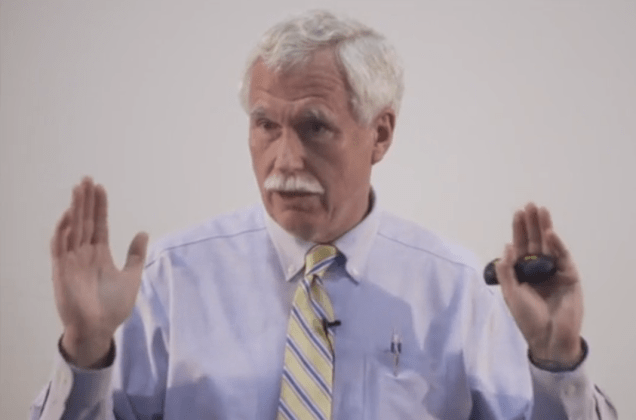
hogan2

Michael Hogan, leader of External Review Team

Beginning in 2018, I was part of many campus conversations—with students, colleagues, and campus leaders, including President Martha E. Pollack and Vice President Ryan Lombardi—about the need to find new ways to engage our community in addressing the environmental factors contributing to student distress, and to seek new perspectives on the services and resources available to students on campus.

In September 2018, these conversations and others led President Pollack to commit the university to a Comprehensive Review of Student Mental Health, to begin in 2019.

The Campus Health Executive Committee (CHEC) oversaw the development of the review’s scope and planning during the Fall 2018 semester. Feedback was solicited from a wide range of student, staff, and faculty stakeholders, including members of the university-wide Coalition on Mental Health. The consensus was that the comprehensive review should focus on two themes: how to meet the growing clinical needs of students facing mental health problems, and how to improve the campus environment and culture to better support student mental health.

In Spring 2019, CHEC announced the members of the two groups charged with conducting the review: an internal university Mental Health Review Committee tasked with examining Cornell’s academic and social environment, climate, and culture related to mental health, and an External Review Team responsible for reviewing the university’s clinical services and campus-based strategies.

The internal committee, made up of 13 students, faculty, and staff, is led by Marla Love, senior associate dean of students in the Office of the Dean of Students, and Miranda Swanson, associate dean for Student Services in the College of Engineering.  Love and Swanson are seasoned student affairs professionals who are relatively new to Cornell, bringing a fresh perspective to the review process. Love joined Cornell in October 2017 after serving for 15 years at various institutions across the country including Scripps College and Phillips (Andover) Academy, and most recently at Azusa Pacific University. Swanson came to Cornell in December 2017 from the University of Chicago, where she spent 16 years as dean of students in the Physical Sciences Division and working with graduate students in the Humanities Division.

Members of the internal team include Catherine Thrasher-Carroll, mental health promotion program director for Cornell Health’s Skorton Center for Health Initiatives; among the four students in the group is Chelsea Kiely ‘20, of the College of Arts and Sciences, who is president of Cornell Minds Matter, a student mental health promotion organization.

The External Review Team, comprised of three highly respected leaders in the field of mental health, is led by Michael Hogan, who served as mental health commissioner in New York, Connecticut, and Ohio over a span of 25 years. He is a member of the National Action Alliance for Suicide Prevention’s executive committee, and was a developer of the Zero Suicide Model for healthcare. Hogan chaired President George W. Bush’s New Freedom Commission on Mental Health and has served on the board of the Joint Commission, an independent organization that accredits healthcare organizations and programs in the United States.

The other members of the external team are Karen Singleton, associate medical director and chief of Mental Health and Counseling Services at the Massachusetts Institute of Technology’s MIT Medical; and Henry Chung, senior medical director of Behavioral Health Integration Strategy at the Care Management Organization of Montefiore Health System, and professor of psychiatry at the Albert Einstein College of Medicine.

Listening tours and focus groups will be held through the Fall 2019 semester, and the final report of findings and recommendations will be submitted in Spring 2020. Updates about the reviewers’ process and progress—in addition to the final report—will be posted on the Mental Health Review website.

I have also asked the members of both review teams to provide ongoing feedback to Cornell’s leadership as the review proceeds, including recommendations specific to our work at Cornell Health.

It is important for the Cornell community to note that we will not be waiting for the completion of the review to begin implementing important changes to our clinical services. A new counseling appointment model—which will include brief same-day appointments, and more options for follow-up care—will begin in Fall 2019. We look forward to the opportunity to gain valuable feedback and to identify opportunities for improvement.

I am grateful to President Pollack and Vice President Lombardi for prioritizing this university-wide review in support of student campus health. And I am confident that the review will result in a healthier and more supportive campus environment with improved support resources and clinical services for our students.

—By Kent Bullis

Kent Bullis, MD, is the executive director of Cornell Health

Photo credit: Suicide Prevention Resource Center (video screenshot)

Cornell’s Student Mental Health Review: “Disappointing”

In a letter emailed to Cornell University students on March 20, Ryan Lombardi, vice president for Student and Campus Life, announced long-awaited plans for a “comprehensive review” of student mental health.

IMG_4294

We support all steps to improve student mental health. We sincerely hope these plans will produce significant improvements. But it is with regret that we must express our disappointment with Vice President Lombardi’s announcement.

Nearly two years ago, after looking closely at student mental health policies and practices across the nation as well as at Cornell, we wrote to President Martha E. Pollack to respectfully seek a robust, independent, external-led review of the mental health challenges facing Cornell’s students as well as the university’s policies, programs, and practices to address them.

We wrote that we had observed systemic failure in Cornell mental health policy and practice, topped by a failure by Cornell administrators “to fully and openly recognize the magnitude of the mental health challenges facing Cornell, and to address them with best practices backed by human and financial resources commensurate to the scale.”

Our concerns are based partly on Cornell’s own data. The 2017 Cornell PULSE Survey of 5,001 undergraduates reported that 71.6 percent of respondents often or very often felt “overwhelmed,” and 42.9 percent said that they had been unable to function academically for at least a week on one or more occasions due to depression, stress, or anxiety. Nearly 10 percent of respondents reported being unable to function during a week-long period on five or more occasions. Nine percent of the respondents—about 450 students—reported “having seriously considered suicide at least once during the last year,” and about 85 students reported having actually attempted suicide at least once in the last year.

Vice President Lombardi’s announcement falls very short of what is needed to address Cornell’s mental health crisis and of what the Cornell administration promised when President Pollack announced the decision last September to conduct a review.

In brief, Vice President Lombardi’s announcement said that the review will be handled by two separate entities. One is an “external review team” to look at clinical mental health services—Cornell’s Counseling and Psychological Services (CAPS). The other is a “university committee” comprised of students, faculty and staff to examine “the ways in which the campus environment and culture contribute to mental health challenges at Cornell.” 

Lack of urgency; lack of a holistic approach; lack of independence, transparency, and accountability; lack of full mandate, scope, and goals; such aspects of the announcement highlight our concerns about the strength of the Cornell administration’s commitment to student mental health.

Lack of Urgency

Some background puts the March 20 announcement in perspective. President Pollack announced in September 2018 that Cornell would undertake a “comprehensive review” of student mental health. It was then only last week, seven months into the academic year, that the Cornell administration finally outlined plans for the review in a late-night, mid-week, out-of-the-blue email to students.

It may also be noted that after we first wrote to the Cornell President seeking a review of student mental health, it took 10 months for the administration to respond with a clear answer, and President Pollack’s answer at that time was “No.”

In that January 2018 response, President Pollack pointed instead to an “external assessment” then being conducted by The JED Foundation, JED’s on-site visit to the Cornell campus in the summer of 2017, and Cornell’s “ongoing engagement with the foundation to ensure we are providing holistic support.”

We wrote to President Pollack again in August 2018, arguing that the JED review was “plainly insufficient.” We noted that the review (or the parts of it that Cornell had chosen to make public) included no findings, and that its recommendations had not addressed 1) CAPS services; 2) Cornell’s suicide prevention policy; 3) community mental health provider services to Cornell students; 4) academic workloads; 5) or faculty and staff handling of students in distress.

Throughout 2018, two student organizations—the undergraduate Cornell Mental Health Task Force and Cornell Graduate Students United—made extraordinary efforts to seek an independent review and to advocate for specific improvements for student mental health.

With the March 20 announcement, the Cornell administration seems to have lost an entire academic year of time for a comprehensive review. Cornell’s 10-day spring break starts this week, and then only five weeks are left until the last day of spring semester classes.

Lack of a Holistic Approach

Vice President Lombardi’s announcement suggests that the Cornell administration has decided against going forward with a true comprehensive review; the announcement indicates a preference instead for a review that is modest and incremental.

The plans outlined on March 20 fragment the review into at least two compartments, rather than establishing a centralized task force to review all Cornell mental health matters in their “comprehensive” entirety. This is at odds with President Pollack’s statements that Cornell would undertake a “comprehensive” and a “holistic” review of student mental health.

We along with others have called for a task force to conduct a comprehensive review due to the interconnectedness and complexity of student mental health challenges. The challenges deal strongly with CAPS clinical services but hardly with CAPS alone; the scope of a comprehensive review must examine university policies, administration commitment, academic culture, campus climate, community mental health services—and the intersection of all these areas.

Lack of Independence, Transparency, and Accountability

The March 20 plans lack a structure or mechanism to ensure the independence of the review, such as the appointment of a recognized external expert as task force chair (or co-chair), who would oversee all elements of the review and report directly and only to the Cornell President; the Cornell administration, rather, seems intent on a review with ambiguous lines of authority and accountability that is guided and closely controlled by the administration itself.

The March 20 announcement said nothing about the charge that the review teams have been given; about who authorized the fragmented review plans; about who appointed the members of the two entities that will conduct the review; or about which university authority the review teams will report to, and by what deadline.

The announcement also failed to identify all but two members of the review teams—nothing was said about the appointment of specific external mental health experts, student leaders, or Ithaca community stakeholders. This lack of transparency (or efficiency) suggests the absence of a strong mandate.

Vice President Lombardi did announce the appointment of co-chairs for the campus environment committee—two associate deans who are both new to Cornell and to Ithaca. Typically, university officials at the vice president and vice provost levels have been assigned leadership roles on mental health task forces at peer institutions.

The March 20 announcement made no commitment to transparently releasing all reports related to the review.

Lack of Full Mandate, Scope, and Goals

The March 20 announcement said nothing about the mandate, scope, and goals given to the clinical mental health services external review team and the campus environment committee. The announcement makes no mention of mandating the two review entities to report findings or make recommendations.

Vice President Lombardi said that the clinical mental health services external review team will “evaluate our services.” With such a vague and narrow mandate, the team may not be empowered to review the many budgetary and other policies that affect the services, or the services provided to Cornell students on referral off campus by community providers.

Vice President Lombardi said that the campus environment committee “will gather information” about the environment and culture at Cornell. With such a meager mandate, the committee may not be empowered to examine the plethora of policies and practices related to mental health (suicide prevention, student disabilities, academic pressure, alcohol and other drug services, residential life, sexual assault, hazing, vulnerable population groups, education and awareness, emergency response)—and their interconnectedness—with the required rigor and vigor.

Lack of Resolve

All this leads us to worry about a lack of resolve in addressing student mental health at Cornell. We continue to have concerns about “an institutional mindset reflecting complacency and defensiveness,” as we wrote to President Pollack nearly two years ago.

We are disappointed by the President’s hesitation and delays in moving forward with a comprehensive review. We were surprised when she declined our request in 2017 to meet with us to discuss our concerns and suggestions. In December, Robert S. Harrison, chairman of the Cornell University Board of Trustees, also declined our request to address the board on student mental health at its meeting in Ithaca scheduled for March 22.

Last fall, we welcomed President Pollack’s announcement that Cornell would conduct a comprehensive review of student mental health. What we said then remains our belief—and our hope:

“There is a mounting mental health crisis facing our young people today, and the goal of the comprehensive review should be not merely to tinker with the existing system but to create a gold standard for supporting student mental health in the years to come. As one of the world’s leading research institutions, Cornell should expect no less of itself.

“We continue to stress the importance of a truly independent, robust, and transparent review, led by an external expert—a recognized public health authority with a strong background in mental health and without any current or previous ties to Cornell. This is vital, both to ensure the best possible outcome and to win the confidence of Cornell students and the wider campus and Ithaca communities that the university administration is doing its utmost to support student mental health.”

—By Scott MacLeod and Susan Hack

Scott MacLeod and Susan Hack are co-founders of The Sophie Fund, a non-profit organization supporting mental health initiatives aiding young people in the greater Ithaca community. The Sophie Fund was established in memory of their daughter, Sophie, a Cornell fine arts student who died by suicide in 2016 while on a health leave of absence.

UPDATE 4/1/19

Cornell Health posted further information about the mental health review on its website:

Cornell’s comprehensive review of mental health

In September of 2018, the Office of the President announced that the university would be conducting a comprehensive review of student mental health, stating that “Cornell Health will work with the campus community during the fall 2018 semester to determine the appropriate scope for a comprehensive review of student mental health at Cornell, anticipating that such a review could potentially begin in early 2019.”

Over the course of fall 2018, feedback was solicited from a wide range of student, staff, and faculty stakeholders, including the university-wide Coalition on Mental Health.The consensus was that the comprehensive review should include two broad themes:

Exploring how best to meet the growing clinical needs of students facing mental health problems

Identifying ways in which the campus environment / campus culture might change to better support student mental health

Cornell’s comprehensive review will be conducted by two different groups working in concert with each other:

A university Mental Health Review Committee composed of staff, students (undergraduate, graduate, and professional), and faculty
An external team of expert evaluators (members to be announced soon)

Upcoming timeline:

This spring 2019, the university is in the process of finalizing membership in the Mental Health Review Committee, and will convene the committee and refine questions to explore with key stakeholders. The committee co-chairs (Miranda Swanson, Associate Dean for Student Services in the College of Engineering and Marla Love, Senior Associate Dean for Diversity and Equity in the Dean of Students Office) will also develop a plan for gathering campus input and collaborate with external reviewers to plan site visits. Between Fall 2019 and Spring 2020, the Mental Health Review Committee will conduct a ‘Listening Tour’ of campus; the external reviewers will conduct their site visits, and submit a written report.

More details will be added to this page soon.

Cornell Health also posted information about “Upcoming changes to Cornell Health’s counseling services”:

Cornell Health is planning changes to student mental health services to provide more rapid access to care. These changes are in response to student feedback and a growing demand for services, and were first announced in a message to the student body on March 20, 2019.

We are adapting a model of care currently in place at Brown University that has proven successful in supporting seamless and rapid access to mental health services.

Beginning in Fall 2019:

Students can have access to same-day counseling appointments (or next-day appointments, if they contact us in the afternoon)
Students will have flexibility in who they see: they can select a therapist based on convenience (i.e., whomever has an opening on a given day at a specific time), or wait to see a therapist of their choosing
Students who are interested in continued counseling will be able to select half-hour or hour-long appointments (students’ counselors will partner with them in determining the frequency and length of appointments that will meet their needs)
Students will have increased access to psychotropic medication management services

How we plan to accommodate these changes:

Beginning fall 2019, every therapist’s day will include time slots for same-day appointments. These same-day appointments will be focused on addressing immediate needs and problem-solving. We will gain much of this time in the schedule by converting the “brief assessment” telephone screenings and the traditional “CAPS intake” appointments into times that can be scheduled to directly address the student’s concern.

Additionally, we will offer half-hour counseling appointments along with the traditional hour-long appointments to increase the number of appointments available each day. We anticipate the rapid access and the flexibility built into this new model will be a welcome change for students.

More details will be added to this page soon.

Report Card: D- for Cornell’s Mental Health Leave of Absence Policy

In a scathing critique of student mental health at Ivy League schools, a new report gives Cornell University a grade of D- for its mental health leave of absence policy. No Ivy scored higher than a D, and Yale and Dartmouth were assigned F grades.

“The leave of absence policies do not reflect institutional commitment to supporting students with mental health disabilities,” the report said. “When it comes to inclusion of students with mental health disabilities, the Ivy League schools do not provide the leadership that the landscape of higher education desperately needs…The findings demonstrate that the Ivy League schools, the most elite institutions in our nation, are failing to lead the sector of higher education in supporting students with mental health disabilities.”

The Ruderman Family Foundation, a Boston-based organization advocating for and advancing the inclusion of people with disabilities in our society, issued the report in December. The report, “The Ruderman White Paper on Mental Health in the Ivy League,” was authored by Miriam Heyman, a foundation program officer responsible for the development and oversight of disability inclusion programs.

While generally critical of how universities are meeting student mental health challenges, the report focuses on the aspect of leave of absence policies. Noting that a health leave is a potentially useful mechanism enabling a student to focus on well being and recovery, “schools may also use the leave of absence as a tool for discrimination, pushing students out of school who are entitled by law to receive accommodations and supports which would enable them to stay.”

The report claims that college campuses are facing a unique crisis, arguing that the prevalence rates of mental illness among college students are far larger than prevalence rates for age-matched non-college individuals.

The Ruderman report says:

“Meanwhile, college resources provide woefully inadequate support to students. … The scope of the problem, combined with the lack of resources available to address the problem, is exerting a horrible toll. Suicide is among the most tragic consequences of untreated mental illness and it is the second leading cause of death of college students…”

“Clearly, colleges need to invest in increasing the availability of mental health professionals on campus. One clinician for every one thousand students is not enough, and this ratio represents the availability of clinicians on the campuses with the most resources.”

The report speculates that college administrators are wary of bad press coverage about campus suicides, and that their fear of a lawsuit if a student takes their own life motivates them to remove students from campus.

In the study, Ruderman cited “problematic” issues in seven of 15 categories related to Cornell’s leave of absence policy. It said there was “room for improvement” in two other issues, and that the university followed “best practice” in six others.

Here are the 15 categories and Cornell’s scores in them:

PUTTING A STUDENT ON LEAVE

1. Does the involuntary leave policy include “threat to self” language (with the premise that the inclusion of this language is facially discriminatory)?

The policy states, “…whether the student’s behavior is disruptive of the university’s learning environment and whether the behavior poses a direct threat to the safety of others…”

Grade: Best Practice

 
2. Do leave policies specify that the student is entitled to reasonable accommodations which would enable them to stay at school?

The policy states, “Consideration will also be given to accommodations that may reasonably be provided that will mitigate the need for the involuntary leave.” There is no mention of individualized assessment.

Grade: Ambiguous / Room for improvement

 
3. Do leave policies include language against generalization, fear, or stereotype?

There is no language against generalization, fear, or stereotype.

Grade: Problematic

 
4. Is there language about community disruption?

The policy states, “When there is an actual or the threat of a community disruption, Cornell University may place a student on an involuntary leave of absence.”

Grade: Problematic

 
5. Does the policy empower students to work with mental health professionals of their choice?

The student must get approval to take a leave and return from leave from Cornell Health (it can’t be an outside treatment provider). Also, a Cornell Health clinician or counselor will provide “…specific treatment recommendations as part of the HLOA agreement. Compliance with the treatment expectations is a primary factor in approving a student’s return to Cornell.”

Grade: Problematic

 
6. Can the student initiate the process at any time?

There are no health leaves of absence after the last day of classes.

Grade: Problematic

 
7. Are policies and procedures transparent?

All decisions regarding return from an HLOA are made by an interdisciplinary committee of Cornell Health clinicians. Student requests to return are denied only when the committee is unanimous in its opinion that a return is not advisable at this time. The return process checklist also provides transparency. Also, the involuntary leave policy states that involuntary leaves are imposed only “in extraordinary circumstances.”

Grade: Best practice

 
THE LEAVE ITSELF

8. Is there a minimum length of time for the leave?

The policy states, “The duration of the leave is to be determined by the vice president for student and campus life based on the facts and circumstances leading up to the imposition of the involuntary leave…For health leave, amount of time will depend on the circumstances.” The mental health provider report requests information, including “Once achieved, has the substantial reduction [in behaviors such as suicidal behaviors, self injury, food purging] been maintained stably for 3 consecutive months?” This may suggest that three months is the minimum duration.

Grade: Ambiguous / Room for improvement

 
9. Does the school specify a maximum duration or maximum number of leaves?

There is no language about maximum number or duration.

Grade: Best Practice

 
10. Does the policy identify a liaison or contact person at the school?

The policy does not identify a liaison or a contact person.

Grade: Problematic

 
11. Are students on leave prohibited from visiting campus?

The policy states, “The student may visit campus only as authorized in writing by the vice president for student and campus life.” The policy states, “Where appropriate, impose a persona non grata order on a student who has been placed on involuntary leave.”

Grade: Problematic

 
12. Are there work or school requirements?

The policy states, “It is expected that the student uses the time away from the University for treatment and recovery.” The policy states, “Until the student complies with the pre-requisites to enrollment mandated by the vice president for student and campus life. An individualized assessment will be made for the student to determine if the pre-requisites have been satisfied.”

Grade: Best practice

 
RETURNING FROM LEAVE

13. What is the deadline to apply for return?

The student must notify Cornell Health in writing of their wish to return by June 1 for a Fall return and November 1 for a Spring return. Submit documentation by July 1 for fall semester return, by December 1 for spring semester return. The score is based on the documentation deadlines.

Grade: Best Practice

 
14. Does the policy mention confidentiality, and facilitate confidentiality by specifying that medical records should be submitted to health services, not school administration?

Voluntary leave policy states – “December 22, 2017: Added note at end of procedures indicating that requests for health-care related leaves should be referred to Cornell Health to initiate the HLOA [Health Leave of Absence] process, and that academic units should not request health information or medical records directly from a student.” There is no explicit mention of confidentiality.

Grade: Ambiguous / Room for improvement

 
15. Does the policy facilitate student participation in university housing?

The policy does not mention housing.

Grade: Problematic

 
The rating system allotted a score of 1 if problematic, 2 if there was room for improvement, and 3 for best practice.

The Ivy League ratings:

Brown University: 29/45 D

Columbia University: 29/45 D

Cornell University: 28/45 D-

Dartmouth: 23/45 F

Harvard University: 28/45 D-

Princeton University: 29/45 D

University of Pennsylvania: 31/35 D+

Yale University: 24/45 F

A report on Cornell student mental health by the JED Campus program published in April included recommendations on health leave of absences:

“Develop/refine a written medical leave of absence policy that is consistent with JED Campus recommendations.”

“Ensure that all leave policies are transparent and easily accessible to the campus community.”

Cornell responded saying:

“Cornell Health continues to work with all of the academic units at Cornell to make the health leave process as straight forward as possible.

“The university’s Voluntary Leave policy was recently revised in December 2017 to address identified issues.”

In 2017, The Sophie Fund, an Ithaca nonprofit organization advocating for youth mental heath, released a proposal aimed at supporting students taking leaves of absence for mental health reasons from Cornell University, Ithaca College, and Tompkins Cortland Community College.

The proposal calls for an Ithaca community-based program featuring a “leave of absence coach,” a community outreach worker providing practical guidance and moral support for students in transition. It also proposes a website hosting useful information about college leave policies, strategies for fruitful time off from school, local housing options, and employment opportunities. To date, no tangible progress has been made in funding or implementing the proposal.

“Leaves of absence entail an often unexpected, abrupt, and painful loss of a structured environment that includes a support network of friends, professors, university staff, roommates and other fellow students, campus organizations, cultural and athletic facilities, and school medical providers,” the proposal says. “Testimonies from students on mental health leaves of absence relate how it can be a confidence-crushing experience that induces shame and guilt.”

Click here to download a copy of the proposal.

In April 2017 and again in August 2018, The Sophie Fund’s founders, Scott MacLeod and Susan Hack, called on Cornell University President Martha E. Pollack to launch an independent external-led review of student mental health. They said the review should include “Cornell’s policies, programs, and practices for students taking HLOA for mental health reasons.”

In a September 18 email to Cornell students reported by the Cornell Daily Sun, Vice President Ryan Lombardi announced plans for “a comprehensive review of student mental health” that will bring together “internal and external partners.”

In a September 18 email to the Sun, Lombardi said: “While for many years the university has engaged in regular assessment of student mental health needs and evaluation of services and programs, the decision to pursue an additional comprehensive review of student mental health reflects the University’s commitment to promoting health and well-being as a foundation for academic and personal success.”