September is National Suicide Prevention Month. PLEASE. Take a moment to review the warning signs for suicide, as provided by the American Foundation for Suicide Prevention. Be sure to get help for yourself or others if you see the signs. Truly, you may save a life.
If you or someone you know feels the need to speak with a mental health professional, you can contact the National Suicide Prevention Lifeline at 1-800-273-8255 or contact the Crisis Text Line by texting HOME to 741-741.
Something to look out for when concerned that a person may be suicidal is a change in behavior or the presence of entirely new behaviors. This is of sharpest concern if the new or changed behavior is related to a painful event, loss, or change. Most people who take their lives exhibit one or more warning signs, either through what they say or what they do.
Warning sign: Talk
If a person talks about:
Killing themselves
Feeling hopeless
Having no reason to live
Being a burden to others
Feeling trapped
Unbearable pain
Warning sign: Behavior
Behaviors that may signal risk, especially if related to a painful event, loss or change:
Increased use of alcohol or drugs
Looking for a way to end their lives, such as searching online for methods
Withdrawing from activities
Isolating from family and friends
Sleeping too much or too little
Visiting or calling people to say goodbye
Giving away prized possessions
Aggression
Fatigue
Warning sign: Mood
People who are considering suicide often display one or more of the following moods:
Please consider making a donation today to support The Sophie Fund’s work on mental health initiatives aiding young people in the Ithaca and Tompkins County communities. Sophie would have turned 29 this week, and we are marking the occasion to launch our 2021 fundraising campaign.
—Organizing our 6th Annual Ithaca Cupcake Baking Contest in October to raise awareness about mental health.
—Creating two sister websites to advocate for suicide prevention and student mental health in Tompkins County.
—Supporting teacher training, a forum for parents, and student activities for the prevention of bullying and cyberbullying.
—Hosting an expert briefing on the Zero Suicide Model for Tompkins County healthcare principals.
—Collaborating with student organizations to campaign against sexual assault on college campuses.
A few highlights of The Sophie Fund’s work since our last fundraising appeal in 2019:
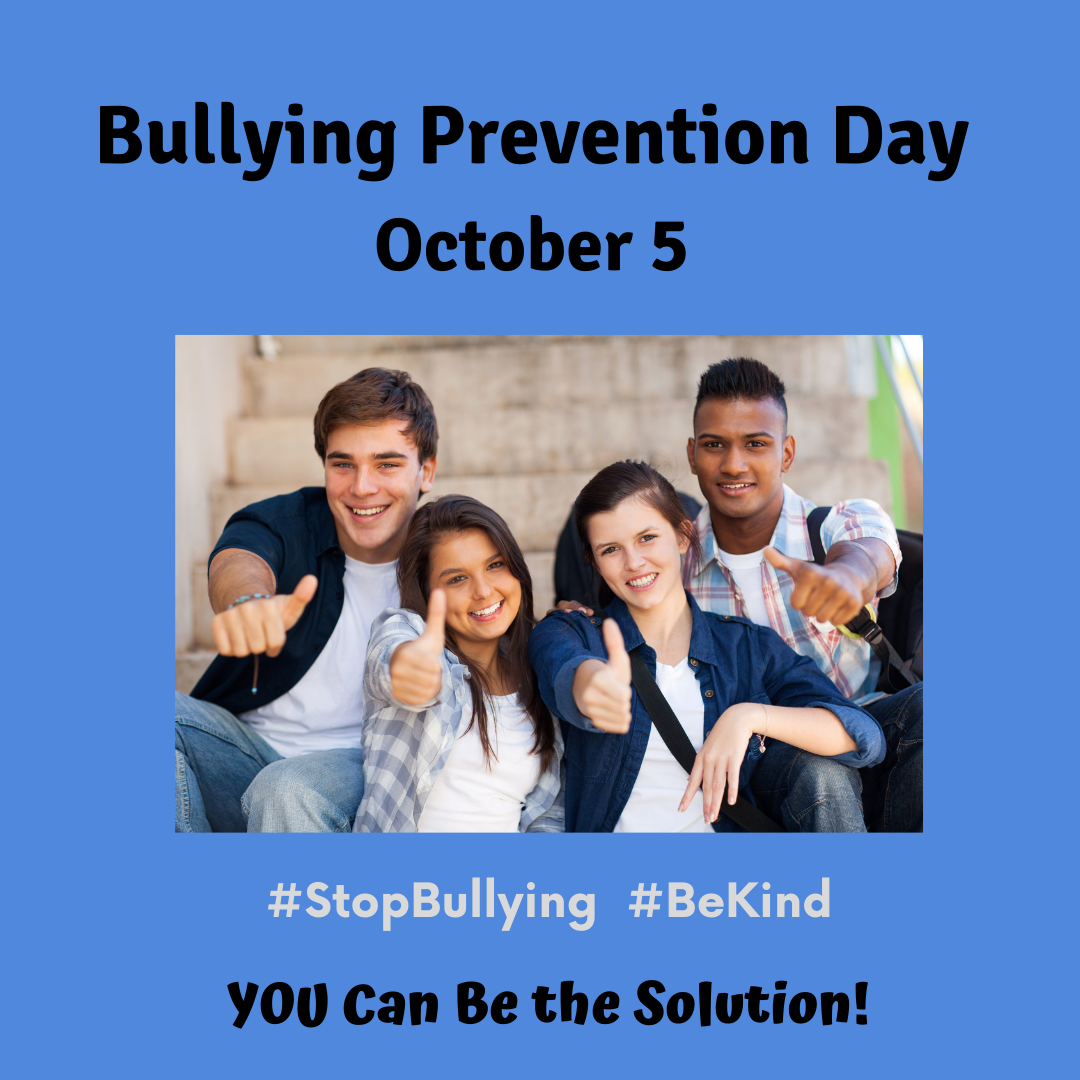
Tompkins County Bullying Prevention Task Force. The Sophie Fund is a co-founder and the current co-coordinator of the task force to combat youth bullying; the initiative has included public forums on bullying, a Bullying Prevention Day rally with school children, information kits for school administrators on bullying prevention programs, and efforts to conduct surveys to assess the extent and nature of bullying issues among local youth.
Cornell University Student Mental Health Review. The Sophie Fund gave presentations in 2019 and 2020 on student mental health to review committees and another in 2021 to Cornell health administrators working on evaluating and implementing recommendations.
The Reflect Organization. The Sophie Fund in 2020 awarded a second grant to The Reflect Organization, a student group recognized by the Cornell administration for providing peer-to-peer mental health support through innovative campus events.
Advocacy Center of Tompkins County. We approved a grant in 2020 for a project aimed at addressing sexual assault on college campuses. The funds will enable the organization to provide training for the Enhanced Assess, Acknowledge, Act Sexual Violence Resistance Program (EAAA).
Ithaca Cupcake Baking Contest. The Sophie Fund hosted the fourth annual contest in the Ithaca Commons in October 2019, and then successfully pivoted to an online version of the contest due to the Covid-19 pandemic in 2020. The contest brings together college and high school students, mental health providers, local businesses, and the general public to raise awareness about mental health.
Cupcake Button Fundraising Campaigns. We organized college and high school student groups to raise funds for local nonprofits who support youth mental health. The campaigns raised $664 in 2019 for the Advocacy Center, which fights sexual assault and domestic violence; and $1,018 in 2020 for the Village at Ithaca, which advocates for education equity for black, brown, low income, and other underrepresented and underserved populations.
Social Media Campaigns. We collaborated with the Tompkins County Youth Services Department on a social media campaign for bullying prevention; we worked with the Advocacy Center and IC Strike, an Ithaca College student group, on another social campaign against sexual assault.
Ithaca College Interns. The Sophie Fund hosted six interns from Ithaca College during the 2019-2020 and 2020-2021 academic years to write about mental health for our website: Meredith Nash, Hallie Ortiz, Anna Moura, Nicole Brokaw, Margaret Kent, and Lorelei Horrell.
Civic Ensemble. The Sophie Fund co-sponsored Delia Divided, a stage reading of a new play by Judy Tate exploring mental health in the criminal justice system and written with the collaboration of formerly incarcerated individuals in the Civic Ensemble‘s ReEntry Theatre Program.
Cornell Circle K. This student organization focused on community engagement organized a mental wellness kit fundraiser to support mental health in Ithaca and on the Cornell University campus and to benefit The Sophie Fund.
For more information about The Sophie Fund’s work, please visit:
The Sophie Fund on August 11 proposed five goals for consideration by the Tompkins County Suicide Prevention Coalition: implementation of the Zero Suicide Model for healthcare; lethal means reduction initiatives; and education and evidence-based clinical services for the youth/college-aged population, military veterans, and middle-aged men.
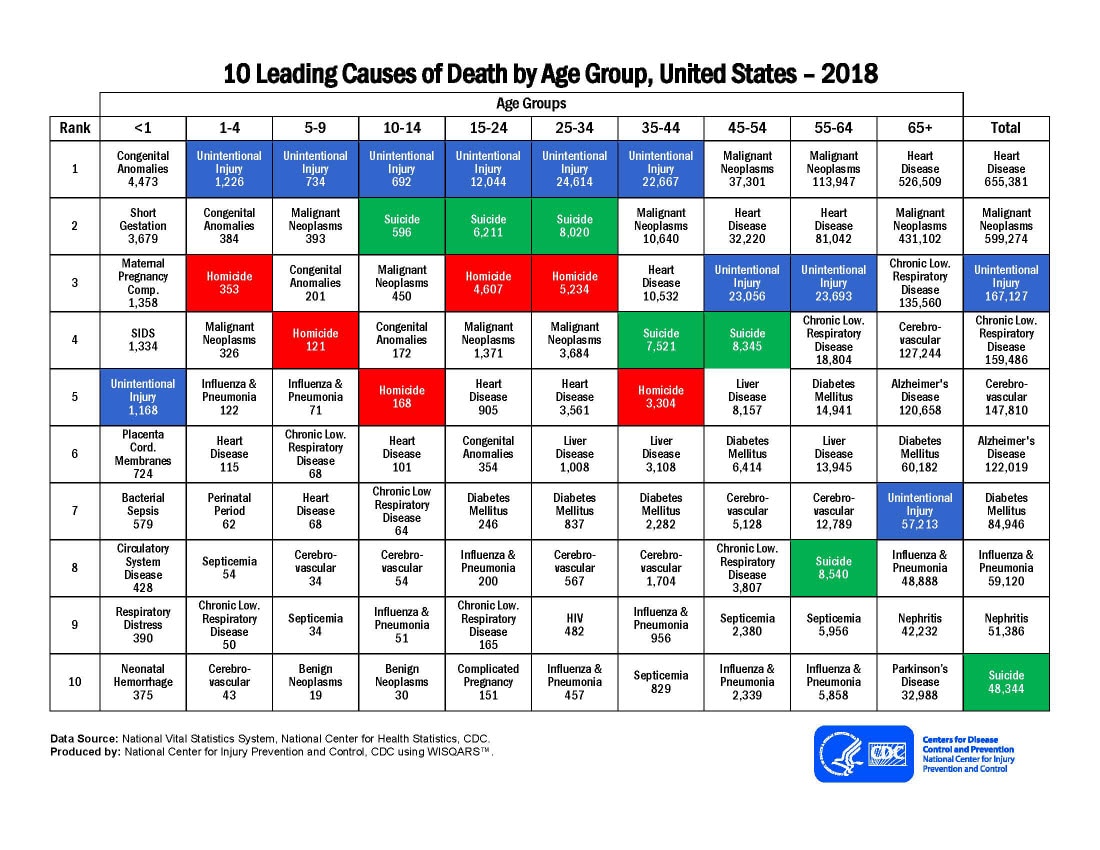
Suicide is the 10th leading cause of death in U.S.
The suicide rate between 2000 and 2016 increased from 10.4 to 13.5 per 100,000 (CDC).
47,511 Americans died by suicide in 2019.
1.38 million Americans attempted suicide in 2019.
12 million Americans have serious thoughts of suicide.
Suicide rate is highest among white middle-aged men.
Firearms accounted for 50.39 percent of all suicide deaths in 2019.
Tompkins County data indicates 54 suicide deaths from 2017 to 2021; 87 percent of those who died by suicide were white and 20 percent were in the 20-29 age bracket (SPCNY).
GOALS TO CONSIDER
Implementing the Zero Suicide Model Across All Healthcare Levels
“Zero Suicide models what it takes to make a system-wide, organizational commitment to safer suicide care. Zero Suicide is based on the realization that people experiencing suicidal thoughts and urges often fall through the cracks in a sometimes fragmented and distracted health care system. Studies have shown the vast majority of people who died by suicide saw a health care provider in the year prior to their deaths. There is an opportunity for health care systems to make a real difference by transforming how patients are screened and the care they receive.” — EDC
Suicide Prevention through Lethal Means Reduction Initiatives
Firearms accounted for 50.39 percent of all suicide deaths in 2019. Poisoning (e.g. via drugs) accounted for 12.9 percent of all suicide deaths in 2018.
“Many suicide attempts take place during a short-term crisis, so it is important to consider a person’s access to lethal means during these periods of increased risk. Access to lethal means is a risk factor for suicide. Reducing access to lethal means saves lives.” —SPRC
Suicide Prevention for the Youth/College-Aged Population through Education Initiatives, Evidence-Based Clinical Services, and School-Community Collaboration
Per 2010 census data, nearly 50 percent of Tompkins County residents are between the ages of 10-34. The median age is 31. In addition, there are 34,066 students enrolled in local colleges the vast majority of which fall into the 18-30 age bracket (Cornell 23,620; Ithaca College 5,400; Tompkins Cortland Community College 5,046).
Suicide is the second leading cause of death among young people aged 10-34 in the U.S. and in New York State; suicide surpassed homicide and malignant neoplasms as the second leading cause of death in the 10-24 age population in 2011.
48.2 percent of college students surveyed reported that academics have been “traumatic or very difficult to handle,” and 41.4 percent “felt so depressed that it was difficult to function,” according to the 2018 National College Health Assessment; 11.3 percent seriously considered suicide in the last 12 months, and 1.9 percent had attempted suicide.
35.8 percent of surveyed college students seeking counseling in the 2017-18 academic year had “seriously considered attempting suicide” (up from 24 percent in the 2010-11 academic year), according to the Center for Collegiate Mental Health 2018 Annual Report; 10.3 percent of the students seeking counseling had actually made a suicide attempt.
“During the past decade, concerns about college student mental health have escalated nationwide. Surveys conducted at colleges and universities around the country show that students are experiencing greater distress, and demand for mental health services is increasing. Conservative estimates indicate that 20-35 percent of college students may face mental health challenges of varying severity during their years in college. The late teens and early twenties remain the critical age of onset for many mental health disorders. At the same time, more students are coming to Cornell with pre-existing mental health diagnoses, and there has been an increase in student distress related to local and national events, particularly for students of color. As stigma decreases, more students are seeking mental health care. In addition, generational research suggests that that the current college age population is more stressed and isolated, less likely to get enough sleep, and less independent—all factors that can impact their mental health.” 2020 Mental Health Review (Cornell University)
Suicide Prevention for Military Veterans through Outreach and Education Initiatives and Evidence-Based Clinical Services
Census data from 2010 indicates there are 3,952 veterans in Tompkins County, representing 4 percent of the population.
An estimated 30,177 veterans nationwide have died by suicide since the 9/11 attacks in 2001 led to the wars in Afghanistan and Iraq. Another estimated 7,057 died by suicide while deployed. Four times as many troops and vets have died by suicide as in combat, powerfully illustrating the seriousness of the problem.
Moreover, a 2021 report now says that “increasing rates of suicide for both veterans and active duty personnel are outpacing those of the general population ― an alarming shift, as suicide rates among service members have historically been lower than suicide rates among the general population.”
Suicide Prevention for Middle-Aged Men through Education Initiatives and Evidence-Based Clinical ServicesThe suicide rate is highest among white middle-aged men. White males accounted for nearly 70 percent of all suicide deaths in 2019. Men died by suicide 3.63 times as often as women in 2019.
Have you been bullied? Have you been a bully yourself? Do you understand not only the hurt but the serious physical and psychological harm that bullying can cause? Do you know how to prevent bullying, and respond to incidents when they occur? Do you model good online behavior?
Take a moment to educate yourself by checking out the many national, state, and local resources about bullying at www.thesophiefund.com/bullying.
Pacer’s National Bullying Prevention Center offers free online resources for National Bullying Prevention Month to engage students in social and emotional learning amid Covid-19 restrictions. The resources include videos, art projects, role playing, pledge signing, and other activities that can be organized during Bullying Prevention Month.
A U.S. government website managed by the Department of Health and Human Services providing information from various government agencies on what bullying is, what cyberbullying is, who is at risk, and how you can prevent and respond to bullying.
Pacer provides innovative resources for students, parents, educators, and others, and recognizes bullying as a serious community issue that impacts education, physical and emotional health, and the safety and well-being of students.
The Cyberbullying Research Center is dedicated to providing up-to-date information about the nature, extent, causes, and consequences of cyberbullying among adolescents.
The Anti-Bullying Institute offers wide-ranging, hands-on programs designed to empower children, parents, school and youth organization personnel to effectively deal with the issue of bullying.
The Tyler Clementi Foundation works to prevent bullying of vulnerable individuals including in the LGBTQ community through inclusion and creation of safe spaces.
DASA seeks to provide New York’s public elementary and secondary school students with a safe and supportive environment free from discrimination, intimidation, taunting, harassment, and bullying on school property, a school bus and/or at a school function.
Stephanie Nevels, a Licensed Master Social Worker, joined the clinical team of Ithaca College’s Center for Counseling and Psychological Services (CAPS) last January.
After stints in outpatient community mental health in Philadelphia and Miami, Nevels moved to Ithaca in 2003, initially to work with Racker (formerly called Franziska Racker Centers), a community organization supporting people with disabilities. She served as a facilitator with caseworkers and foster children. The job involved collaborations with many local agencies, including the Tompkins County Department for Social Services and the Ithaca City School District. She made time to moderate community discussions on race and racism, at Ithaca’s Multicultural Resource Center as well as at Ithaca College, where, she says, “I found out that Ithaca College students are awesome.”
Currently, Nevels is CAPS’s only counselor of color. She specializes in diversity and inclusion and seeks ways to support more students of all backgrounds. One of the questions she asks herself: “How do you interface with white counselors so that they’re better prepared to serve students of color?”
Nevels earned a BA in Psychology from Duke University and a Master’s in Social Work from Boston College. Many therapists of color like Nevels receive training to serve specifically black and brown people, to provide comfort and a greater sense of understanding of the experiences of people of color. For example, Nevels explained, with her experience she can identify when a child is misdiagnosed with ADHD when they’re actually suffering from trauma.
Accessibility is a major issue in mental health for people of color. Affordable resources are often not available in neighborhoods inhabited by people of color. Even if such residents possess health insurance, their access to therapists may be hampered by a need to travel long distances. Such obstacles prevent many black and brown people from learning to prioritize their mental health; and when they enroll in schools like Ithaca College, they may fail to appreciate the resources available on campus.
There are other reasons and circumstances that explain why people of color do not focus on mental health. It is difficult to find a counselor of color. Nevels notes that 90 percent of therapists in the United States are white. Black and brown people are taught to push through life because daily struggles are expected and normalized. Then there is the stigma that portrays mental illness as shameful or useless.
It can be challenging for some white therapists to serve people of color, especially when conversations of race are brought up. “You don’t want to go to somebody who’s supposed to be there to help you and still protecting whiteness,” said Nevels. “There’s always that ‘feeling out’ that you have to do.”
As well as serving clients on a daily schedule, Nevels focuses on how communities of color interact with mental health by working with various students and groups at Ithaca College. She is the coordinator of BEING: Processing Group for ALANA Students, a campus counseling group designed to create a safe space for students who identify as African American, Latinx, Asian, Native American, or any combination of these, to process and express thoughts on experiences of being a person of color at a predominantly white institution.
Providing mental health counseling to college students is a stressful experience iself. How does Nevels handle it?
“In my free time I most enjoy singing along to Broadway or Disney soundtracks, and making my own ice creams—often simultaneously,” she writes on her Ithaca College webpage. “Never underestimate the importance of work/life balance!”
—By Chanelle Ferguson
Chanelle Ferguson, an intern at The Sophie Fund, is a sophomore at Ithaca College majoring in Writing and minoring in Journalism and African Diaspora. She is a writer at IC View, Ithaca College’s alumni magazine, and a student assistant at Career Services.


You must be logged in to post a comment.